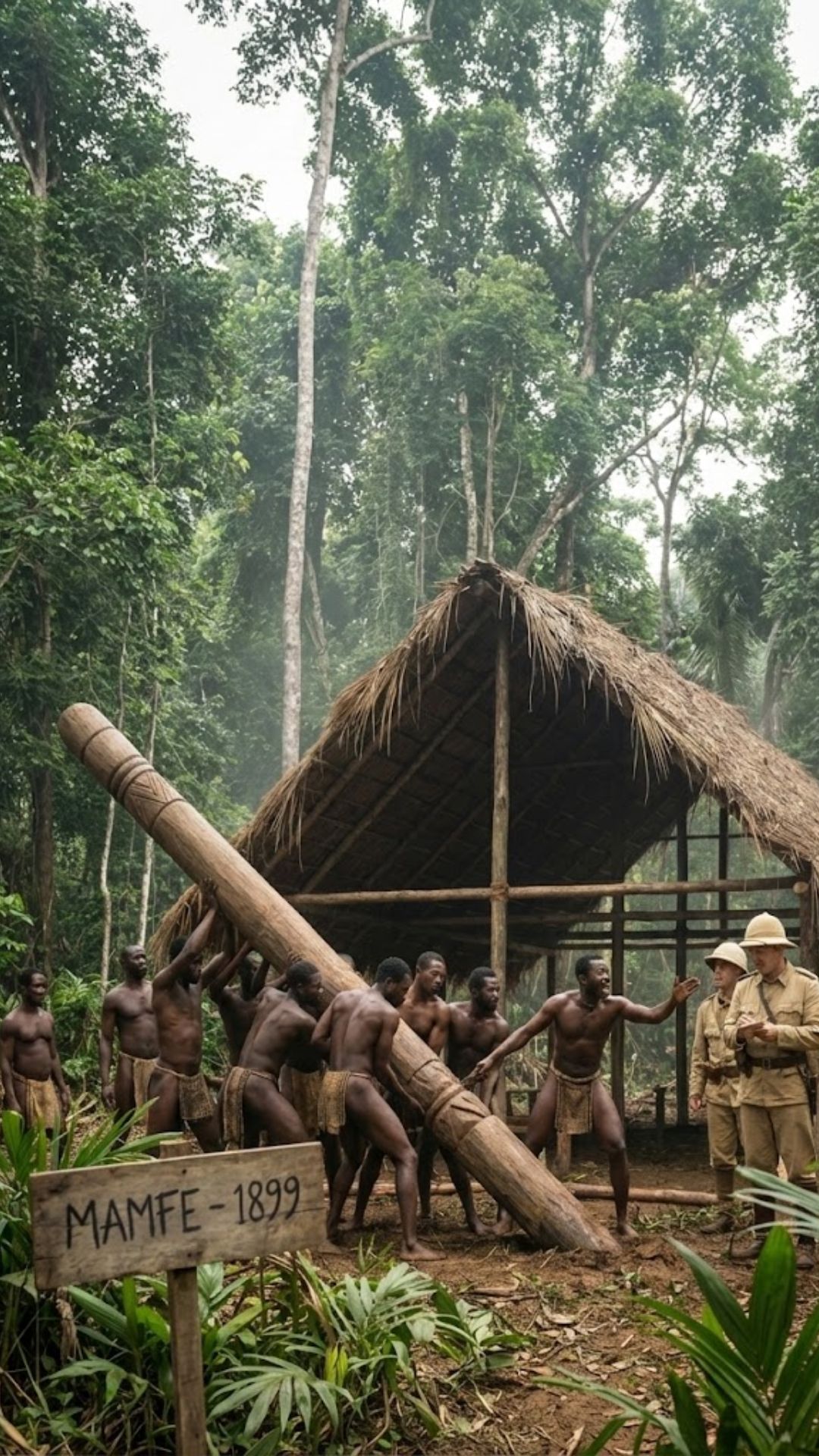
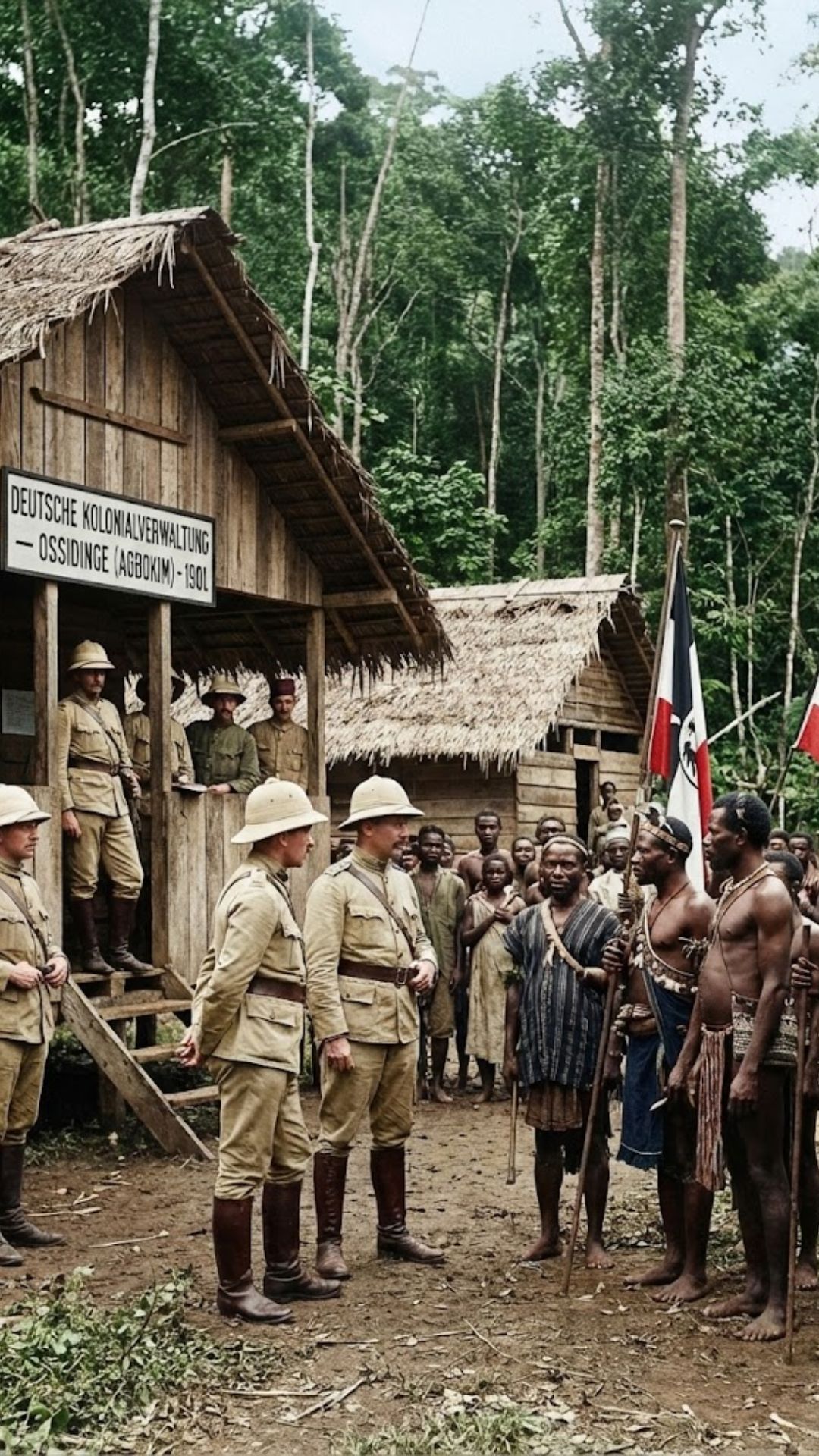
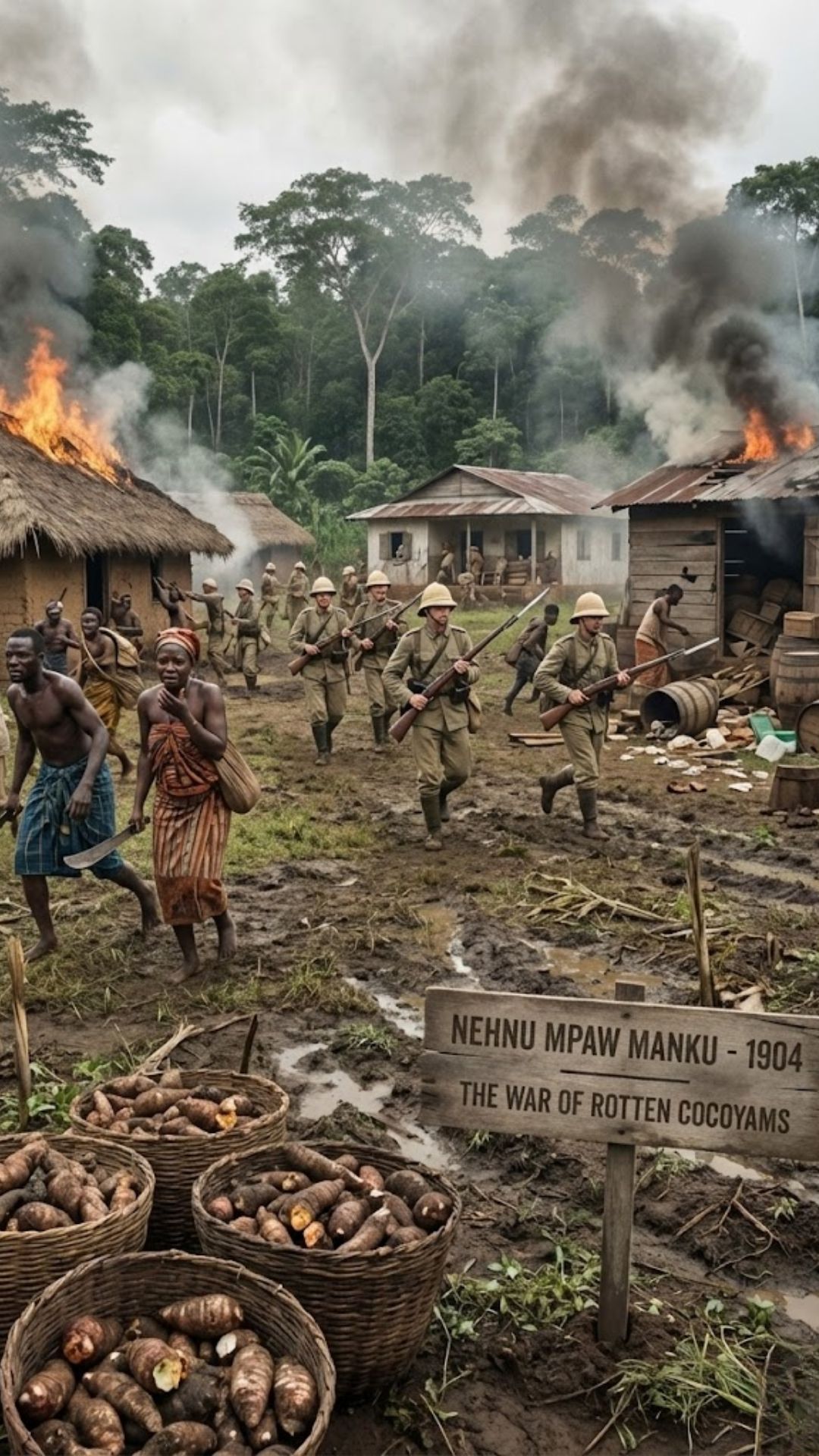
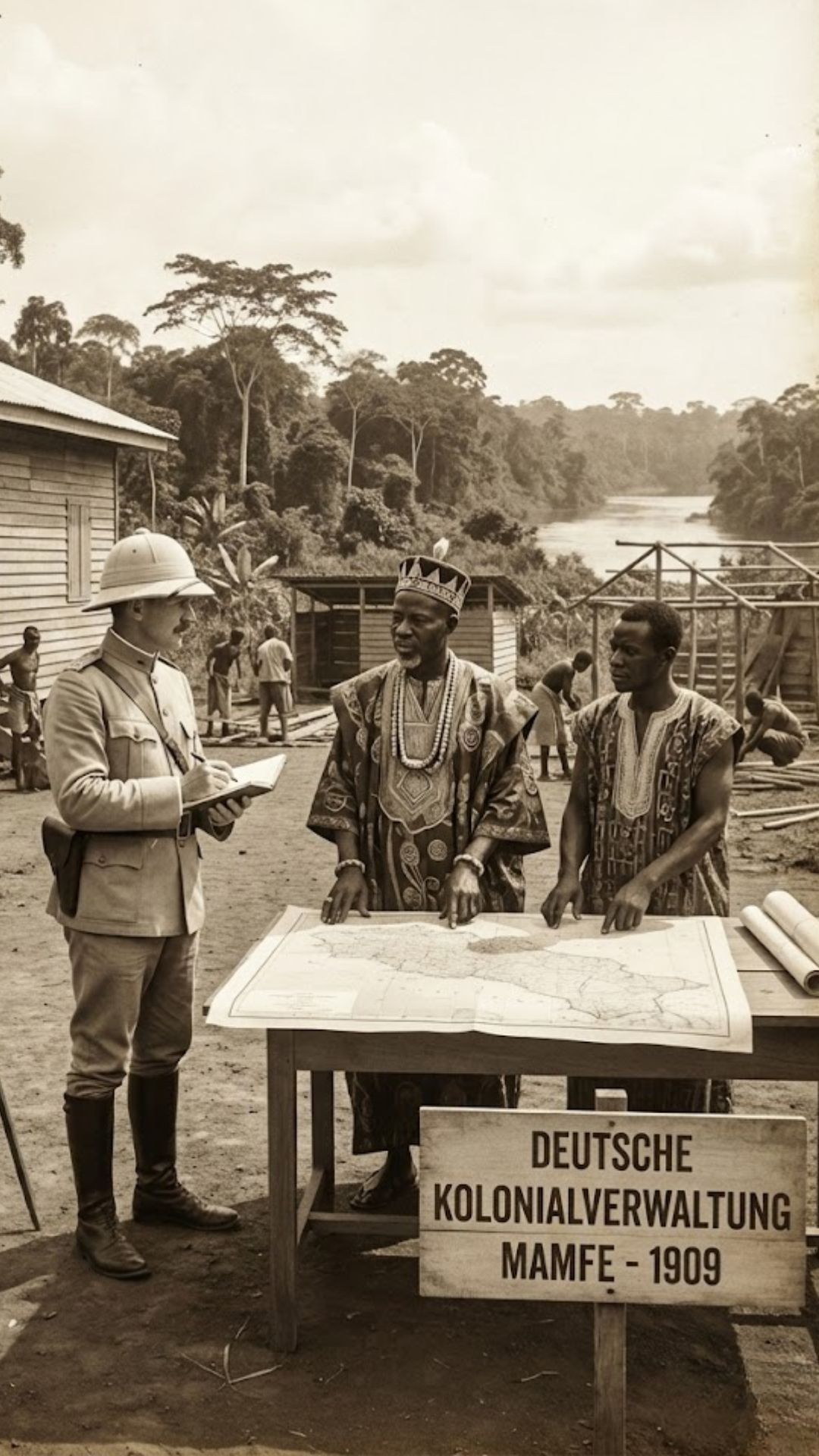
By the early 1950s, Mamfe had become a hotbed of political activism, trade, and social interaction — at the forefront of Anglophone Cameroon's body politic.
The 1959 Phillipson Conference
In August 1959, Mamfe hosted a historic conference presided over by Sir Sydney Phillipson KBE, CMG, appointed by the British High Commissioner for Cameroons. His mandate was to report on the financial, economic, and administrative consequences of Southern Cameroons' separation from the Federation of Nigeria.
Representatives from both major political parties attended:
- Kamerun National Congress (KNC) led by Dr. E.M.L. Endeley
- Kamerun National Democratic Party (KNDP) led by John Ngu Foncha
The conference aimed to agree on questions for the forthcoming plebiscite determining Southern Cameroons' future.
The Plebiscite Questions Controversy
At the UN General Assembly's Trusteeship Council in September-October 1959, Foncha (KNDP) and Endeley (KNC) agreed that one plebiscite question should address association with Nigeria. However, they disagreed sharply on the second alternative:
Endeley's Position
"Separation from Nigeria and continued trusteeship until the Southern Cameroons was in a position to decide its future."
Foncha's Position
"Reunification with French Cameroons after the territory becomes independent on 1st January 1960."
Unable to reach agreement, the African delegation at the UN sought common ground. Liberia finally submitted a resolution proposing a plebiscite no later than March 1961 with two questions:
- Do you wish to achieve independence by joining an independent Federation of Nigeria?
- Do you wish to achieve independence by joining the independent Republic of Cameroon?
Notably, no option for independent statehood was offered — a source of enduring resentment among Anglophones who felt their right to self-determination was denied.

The 1961 Plebiscite — A pivotal moment in Cameroon's history
The Result is History
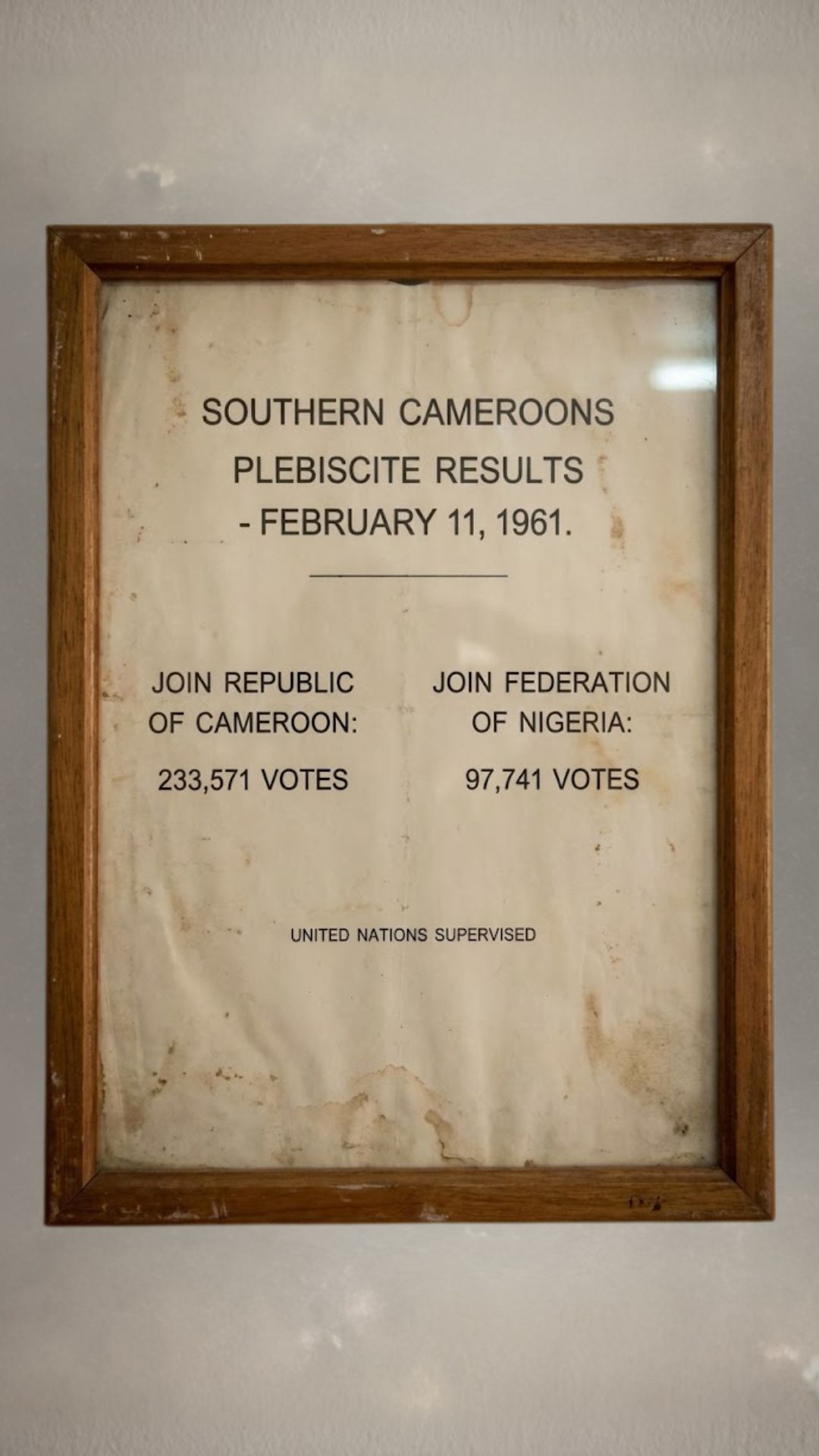
The plebiscite was held on February 11, 1961. Southern Cameroons voted 70.5% to join Cameroon, expecting a federal structure preserving autonomy. The subsequent abolition of federalism in 1972 and ongoing Anglophone marginalization have made Mamfe a focal point of contemporary political struggle.
Today, the ongoing armed conflict has seen Mamfe become a major flashpoint in the quest for the restoration of what separatists call "Ambazonia independence."